AI The LinkBrainly AI blog
Internal linking & technical SEO, explained.
Practical guides on internal links, site structure, orphan pages and AI-powered SEO for WordPress, Shopify, Webflow and custom sites.
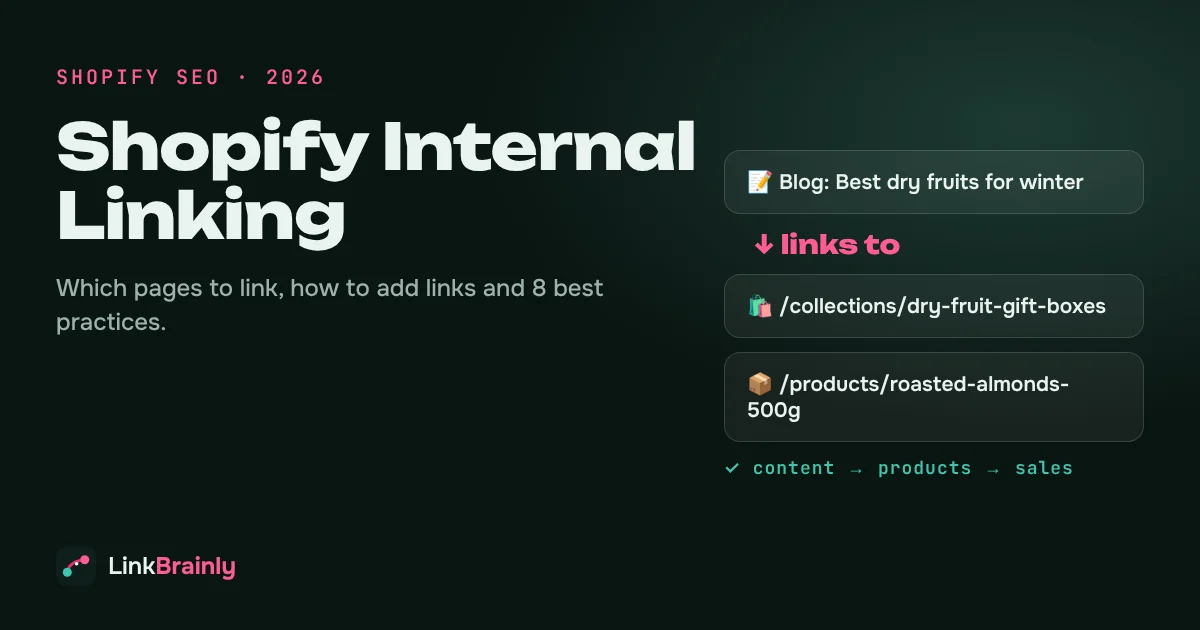
Shopify Internal Linking | A Complete Guide for Store Owners
How to link blog posts, collections and products on Shopify, step by step, with 8 best practices and a checklist.
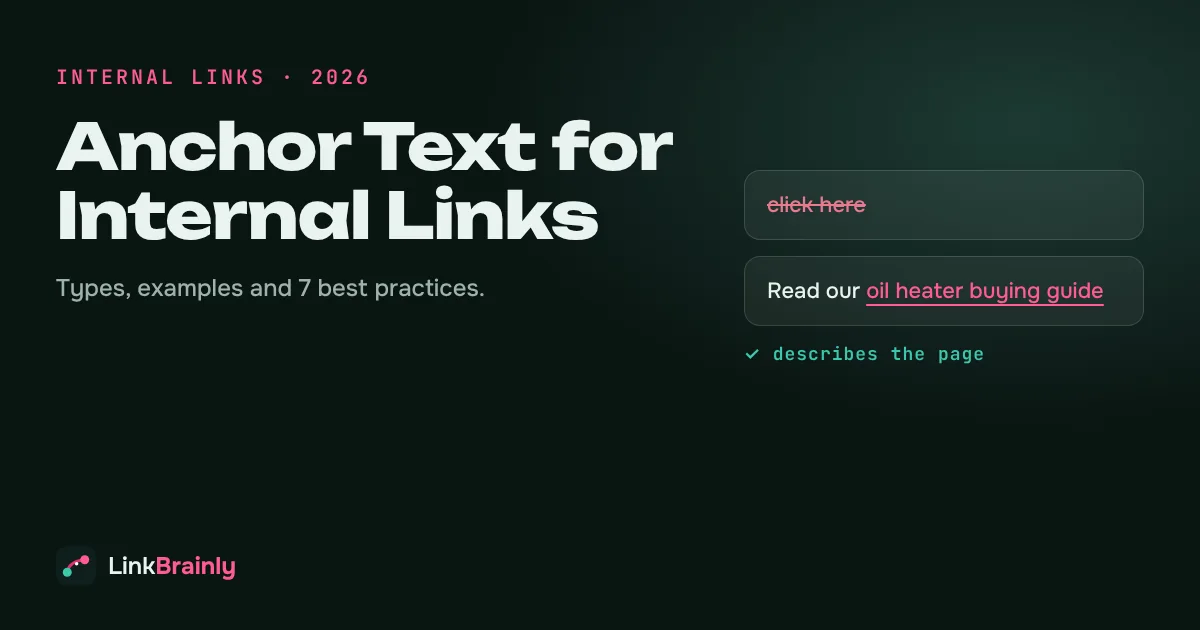
Anchor Text for Internal Links: Types, Examples, and Best Practices
What anchor text is, the 7 types, good and bad examples, and 7 best practices for internal link anchors, with a checklist.
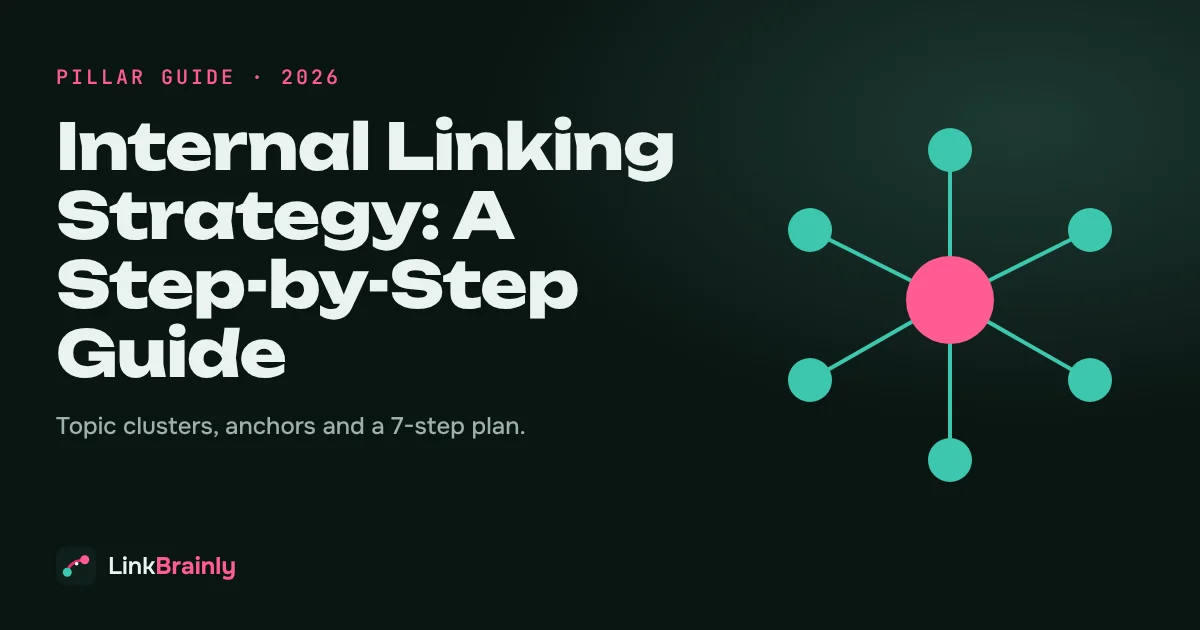
Internal Linking Strategy: A Step-by-Step Guide (2026)
A step-by-step internal linking strategy: topic clusters, priority pages, anchor text, mistakes to avoid and a checklist for any website.
Broken Internal Links | How to Find and Fix Them (2026)
Broken internal links lead to 404 pages on your own site. Here's what causes them, why they hurt SEO, 4 ways to find them and how to fix each one.
Orphan Pages: How to Find and Fix Them (2026 Guide)
Orphan pages are live pages that no other page on your site links to. Here's why they don't rank, 4 ways to find them, and how to fix each one.
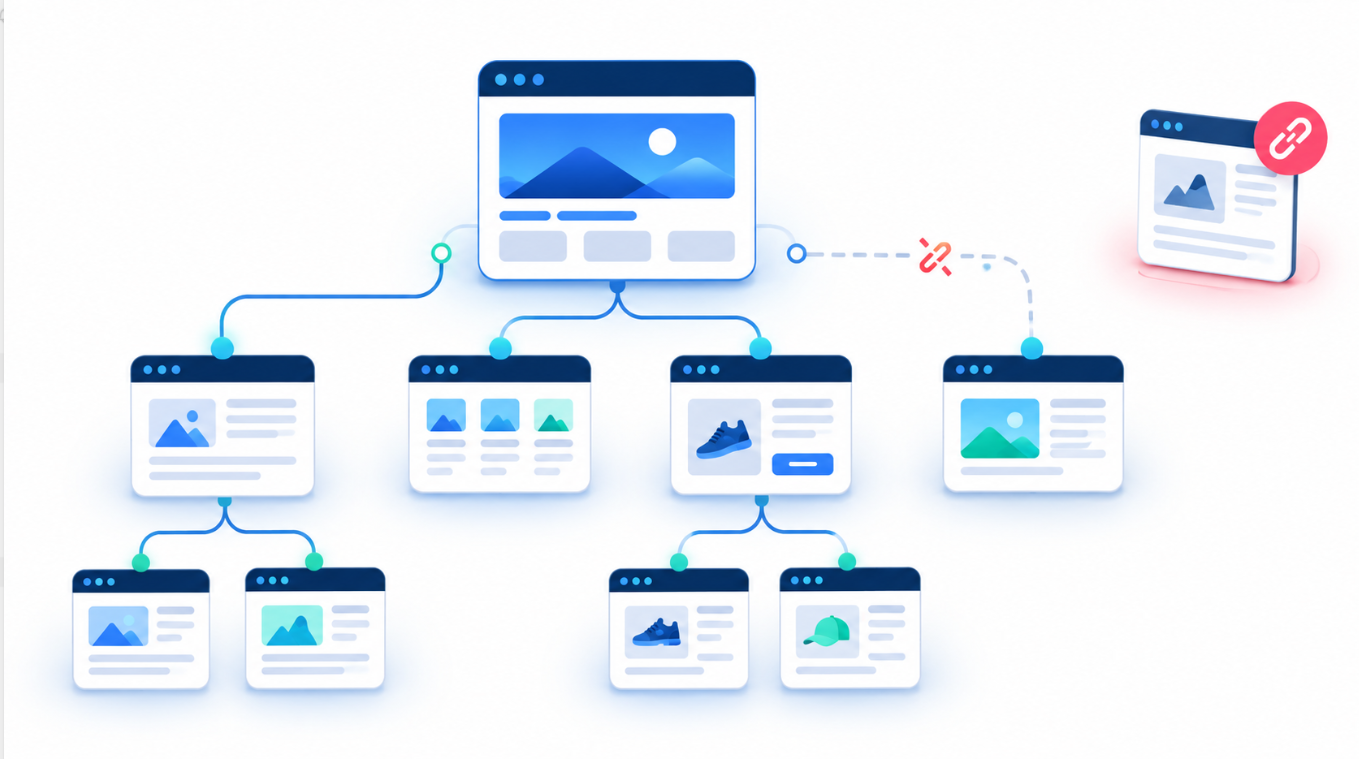
Best Internal Link Checker | How to Audit Website and Choose a Tool
Looking for the best internal link checker? Compare tools for finding broken links, orphan pages and link opportunities. This guide explains what to check and why LinkBrainly may suit WordPress users who want to review and fix internal linking issues in one workflow.
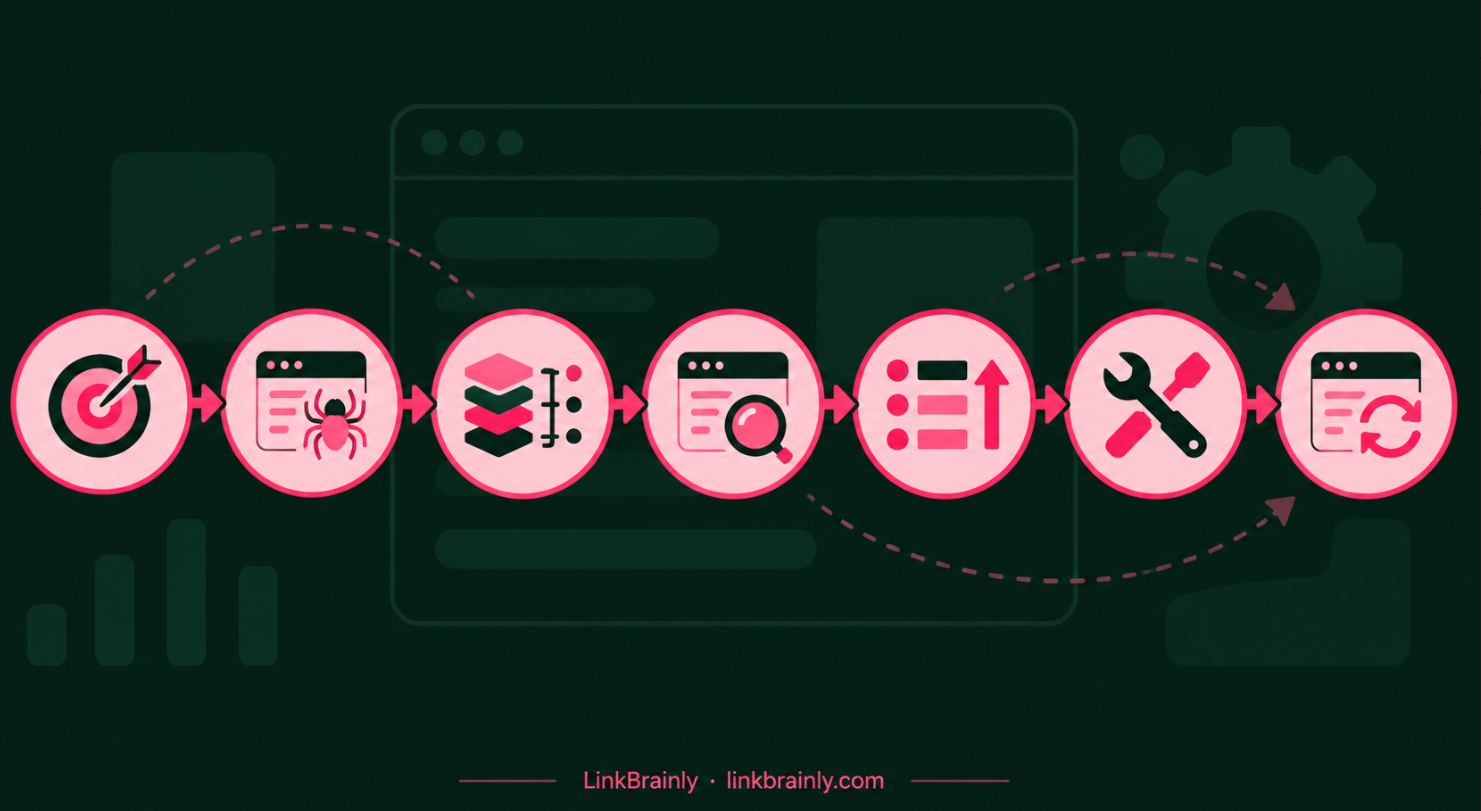
Site audit tool | What it checks and how to use one
Learn what a site audit tool checks, how to choose one, and how to prioritise website issues that affect SEO and visitors.
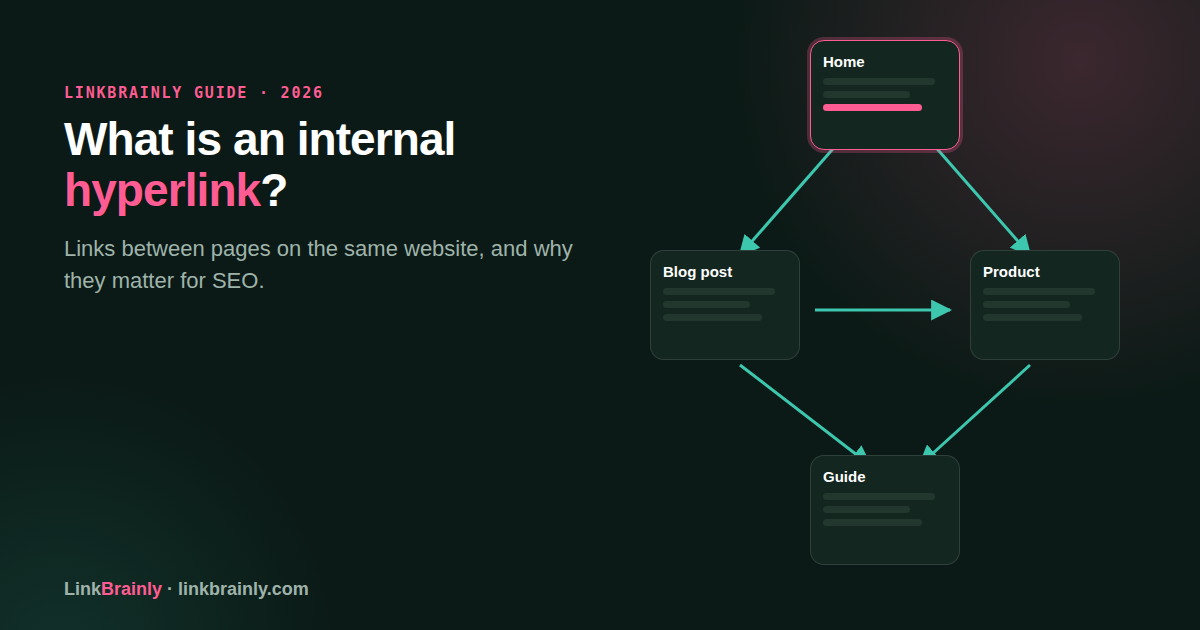
What is an internal hyperlink? Meaning, examples, and SEO tips
Learn what an internal hyperlink is, how to create one, and how links help visitors and search engines move around your website.
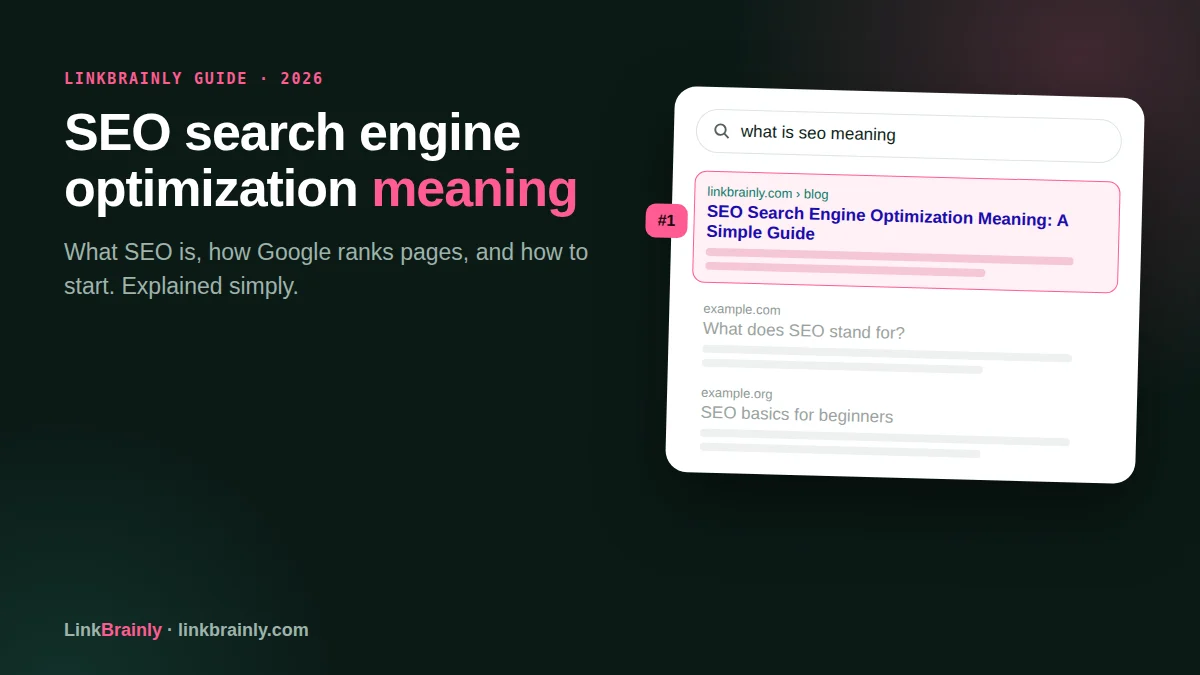
SEO Search Engine Optimization Meaning | A Simple Guide
The SEO search engine optimization meaning is simple: SEO is the work of making a website easier for search engines like Google and Bing to find, understand and show to people who search for what the site offers. When SEO is done well, a page appears higher in the free (organic) results, and more of
What Is an Internal Link? A Plain-English Guide with Examples
What internal links are, how they differ from external links, why they matter for SEO, and a simple routine for adding better ones.
What you'll find on the LinkBrainly AI blog
This blog is about one thing that most websites get wrong: how their own pages link to each other. Internal links decide which pages Google finds and trusts, which pages AI assistants such as ChatGPT and Gemini read and cite, and whether a visitor who lands on an article ever reaches a product or service page. Fixing them is one of the cheapest SEO wins there is, because you already own every page involved.
Our articles fall into three groups. Internal linking guides explain what internal links are, how to plan a linking strategy, how to write anchor text, and how to find orphan pages and broken links. Technical SEO and AI search covers site structure, crawl depth, redirects and how to become visible in AI answers. How-to guides walk through single jobs on Shopify, WordPress and Webflow, step by step.
Everything we publish comes from what we see in real LinkBrainly AI audits. The same patterns appear again and again: navigation menus are fine, but blog posts link to nothing, products sit in collection grids with no contextual links, and old posts point to pages that no longer exist. Each guide shows you how to spot the problem on your own site and how to fix it by hand, and where a tool saves time, we say so.
Articles are written by Vipul Chaudhary, founder of LinkBrainly AI, who fixed internal links by hand on large ecommerce stores before building the tool. They are updated when platforms change. Want to see your own site's gaps first? Run the free AI internal link audit on your latest 200 pages, or browse our free SEO tools.